Learning a language in two weeks sounds like a pipe dream.
But what you're about to read is the real account of a two-week experiment I did to learn Thai in Thailand with my friend Jan almost 10 years ago.
I went from knowing zero Thai—I couldn't even count from 1 to 10—to having a 25-minute conversation entirely in Thai in just 14 days.
I'm going to show you exactly how I did it, step by step, day by day. This isn't clickbait or some miracle method that sounds too good to be true.
This is simply what I did and how far I got in two weeks learning a very challenging tonal language in a foreign country.
Pro Tip
By the way, if you’re serious about improving your language skills, online language courses for fluency can make a huge difference.
I'm offering top-rated online language courses for beginners to advanced learners, covering Mandarin, Spanish, French, Italian, German, Japanese and more.
If you’ve been looking for a story-based online course to learn languages, this is your chance! Get a free 7-day trial of the course of your choice.
If you prefer watching videos to reading, hit play on the video version of this post at the top of this page. Otherwise, here's what you'll discover in this article:
Table of Contents
A Reality Check: Why Learn A Language In Two Weeks?

Before we start, let's address the obvious question: what's the point of this? Why learn a language in 14 days? Surely this is just some kind of publicity stunt?
Here's the thing. I've spent decades learning languages and studied 10 languages to varying degrees. Some I'm highly fluent in, others I've quite literally forgotten.
I've also written multiple books on language learning, and in every case, I've learnt my languages slowly over time—which, spoiler alert, is by far the best way to learn a language.
I do not think you should set out to learn a language in 14 days.
However, what a lot of people get wrong with language learning—people who stagnate and spend years without seeing much progress—is they don't bring enough intensity, focus and intentionality to the process. They do it for 15 minutes on the bus or for an hour at the weekend.
But really, to learn a language well, you've got to bring a degree of focus and intensity to the project over a sustained period of time. That's what you can learn from this experiment: the intentionality and focus required for rapid language acquisition.
Let's be clear about what we actually accomplished after 14 days. It's pretty simple stuff:
- We could order food
- We could navigate around Bangkok
- We could get haircuts
- We managed basic functional communication
This was about functional communication, not fluency. We weren't discussing philosophy, and yes, I made a whole bunch of very embarrassing mistakes.
The Four Pillars Of How To Learn A Language In Two Weeks
I break this project down into four essential pillars that made rapid language learning possible.
Pillar 1: Intensive Instruction

Before going to Thailand, I arranged to have 20 hours of instruction. Every single morning on weekdays, I would go to a language school and have 2 hours one-to-one with a Thai teacher.
I did this because whilst you could learn from a textbook, I knew I wanted the discipline and structure. Every morning at 9:00 a.m., I would go to school for that lesson.
This ensured I had quality input every single day—really 2 hours of instructional input, which is about the maximum you can absorb in any one day.
This formed the backbone of the learning process: 20 hours of structured instruction over two weeks.
Pillar 2: Systematic Organisation
I wasn't randomly studying. I was learning from my teacher and then practising in a very deliberate, systematic way. This structured approach was crucial for maximising retention and progress in such a short timeframe.
Pillar 3: Output-Focused Practice
This pillar focused on speaking right from the beginning. If you know my usual StoryLearning method, you'll know this is quite different from what I usually do and teach.
This project was different because I knew that if I wanted to speak Thai to some level within 14 days, I was going to have to practise speaking the entire time.
In this project, I was speaking from day one.
Pillar 4: Expert Intervention

This came from two sources: my teacher and our friend Stu Jay, who lived in Bangkok. They were able to notice bad habits forming early and stop them immediately.
For example, because I already spoke Cantonese, Stu Jay noticed I was projecting my Cantonese onto Thai—something called linguistic interference. He helped me “un-interfere” my Thai and see clearly what mistakes I was making.
I remember Jan telling a story about constipation when he meant to say he couldn't think—such is the danger of tonal languages!
Essential Tools For Learning A Language In Two Weeks
Language Materials
You need something to learn from—whether it's a textbook, course or teacher. In my case, I asked my teacher for a two-week curriculum for beginner Thai, and that's what I learnt from.
Language Partners
Speaking practice was essential. I spoke extensively with my teacher, whilst Jan found language partners on iTalki for daily practice. The important thing was getting speaking practice every single day.
Organisation System
I used two simple tools:
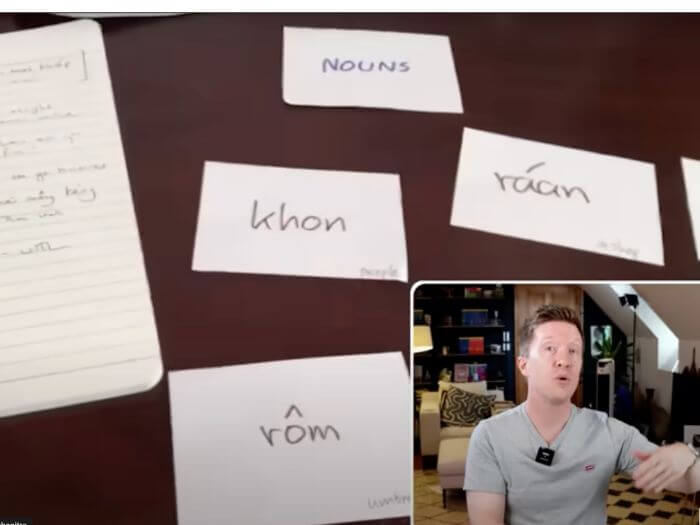
- A notebook where I'd write everything down
- Digital flashcards which acted as both storage for what I was learning and a practice method
These days, I use worksheets for organising grammar and vocabulary that I want to remember.
Reliable Internet Access
One of the first things I sorted out was internet access. Trying to get around Bangkok in a language I barely spoke without any data would have been a nightmare.
Having reliable connectivity was essential for translation, navigation and communication with tutors.
Day-By-Day Breakdown: How To Learn A Language In Two Weeks
Days 1-3: Laying The Foundation
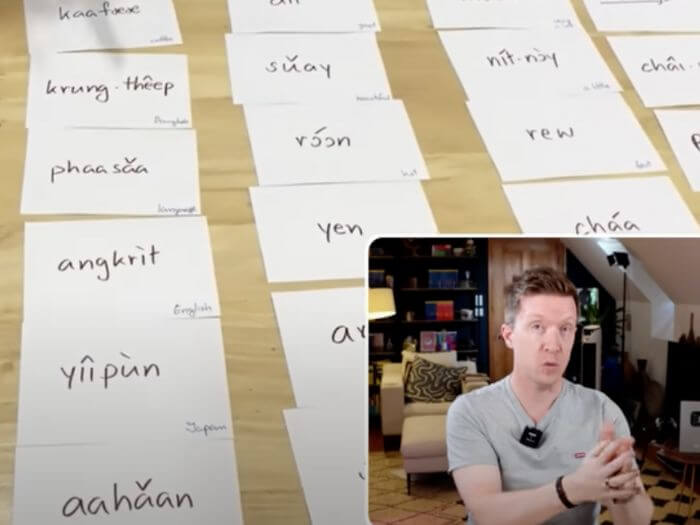
For the first few days, I focused on building the foundation:
Morning Routine:
- 2-hour language lessons entirely in Thai (no English allowed)
- The occasional word for translation was okay, but we operated in Thai from the beginning
Daily Vocabulary Goal:
- Learn 30-40 core words every single day
- Take words and phrases from my notebook during lessons
- Identify the most important ones
- Put them into flashcards
- Practice with flashcards throughout the day—on the bus, walking down the street
Thirty to forty words a day is a lot—too much in normal circumstances. But right at the beginning when you're learning a new language, these basic words are really important and fairly easy to learn because you see them repeatedly.
Evening Revision:
- One hour of revision every evening
- This made all the difference because revisiting morning material in the evening consolidates everything
Being in Thailand was helpful because I'd be trying to learn vocabulary and then hear someone say it on the metro, which reinforced the learning.
During afternoons and evenings, we went around Bangkok having conversations and trying to practise.
Jan got a haircut and had a full conversation in Thai with the barber after learning just 150 words—it's remarkable what you can achieve with limited vocabulary in a language without complex grammar structures.
Days 4-6: Expert Intervention

This phase was crucial and could make the difference between sounding like a local or sounding like a tourist for life.
We visited Stu Jay Raj, an expert language learner who had mastered Thai to a high level as a foreigner. He sat down with us, had conversations in Thai, and caught all kinds of mistakes we were making.
The expert intervention helped us:
- Identify linguistic interference patterns
- Correct pronunciation issues early
- Avoid cementing bad habits
- Understand cultural nuances in communication
By the end of week one, it felt like drinking from a fire hose—so much information coming at us in a flood of experiences. It's normal for your brain to be very tired and feel scattered at this point.
Days 7-9: System Overhaul

Going into week two, I did a complete system overhaul. On Sunday night, I went through my notebook (which was pretty full by this point) and consolidated everything, asking: “What is important here? What do I really need to know?”
Flashcard Strategy:
- I always use flashcards with full sentences, not isolated words
- Full sentences are counterintuitively easier to remember because they contain multiple words you already know, making new words easier to recall
- I set up flashcards in reverse direction—showing English first, then having to remember the Thai phrase
- This is harder but mimics the actual speaking process of thinking what you want to say and remembering how to say it
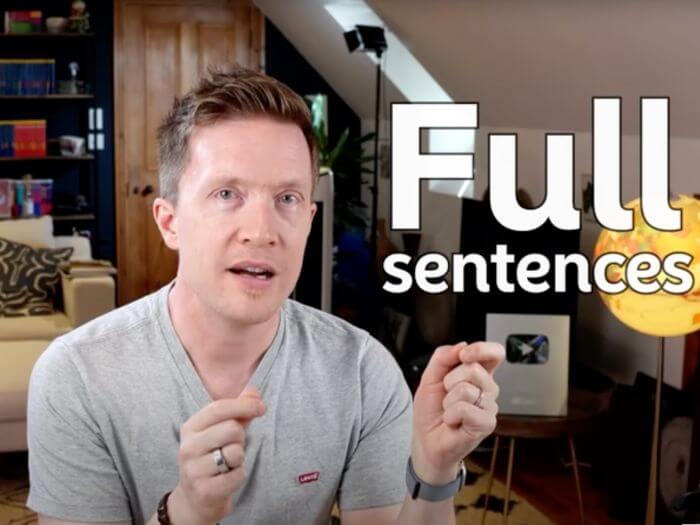
Consolidation Process: Having vocabulary scattered everywhere—written on my hand, random bits of paper, worksheets—I found it very helpful to sit down and take stock: “What's important? What do I want to learn?” Then intentionally choosing what to actually focus on.
I also started talking to myself in basic Thai during my 30-minute walk to school each morning. I must have looked like an absolute nutcase, but speaking practice was essential.
Days 10-14: Real-World Practice

Towards the end of the second week, it became clear we had enough vocabulary. What we needed was practice.
Practical Application:
- Instead of classroom lessons, my teacher and I would walk down the street
- She'd give me tasks like ordering tea from a local tea store
- Jan and I would go out and try to do as many daily activities in Thai as possible
- We pushed ourselves to use everything we'd been learning
Jan discovered that getting daily massages was an excellent practice opportunity—you're lying down for an hour with someone, creating a natural conversation environment.
The key was asking: “What situations can I put myself in where I can naturally use this language?” You'll be amazed how much more practice you can get with this approach.
The Final Test

Right at the end of 14 days, I sat down with my teacher, set up a camera and recorded an entire 25-minute conversation in Thai.
I was proud of what I accomplished—going from not speaking a single word of Thai to having a substantial conversation with my tutor. However, I was completely brain dead and tired from all the intensive work.
The Brutal Truth About Learning A Language In Two Weeks
It should be obvious that I was very far from conversational fluency. I couldn't read or write, my vocabulary was extremely limited, and we were largely going over things we had discussed in class.
But I don't want to diminish the achievement because it demonstrates just how much of a language you can learn in a short space of time with focused effort. Where many language learners go wrong is they don't bring enough urgency and focus to their learning.
If they brought more focus through:
- Learning vocabulary more intentionally
- Having an evening revision routine
- Actually studying every day rather than taking weeks off
They would learn so much faster.
I was still a complete beginner, but I knew for certain that if I had kept up this level of intensity—like many immersion programme participants do—I would have been highly fluent in Thai within about 12 months.
What Happened Next: The Importance Of Maintenance
On day 15, I caught a plane back to the UK and decided to keep up my Thai. I arranged weekly lessons with my teacher on Skype and started learning to read and write the alphabet.
After about three months, even with weekly lessons and literacy work, I had regressed significantly. I'd forgotten a huge amount of what I'd learnt in Thailand.
The reason is simple: if you learn quickly, you also forget quickly.
I proved to myself that you can learn tremendously in a short period, but if you want that to be a lasting foundation, you must keep learning. In my case, one weekly lesson simply wasn't enough.
These intensive periods create momentum, but it's only when you integrate the language into your lifestyle that you can sustain it. Whatever method you use initially doesn't matter unless you maintain it.
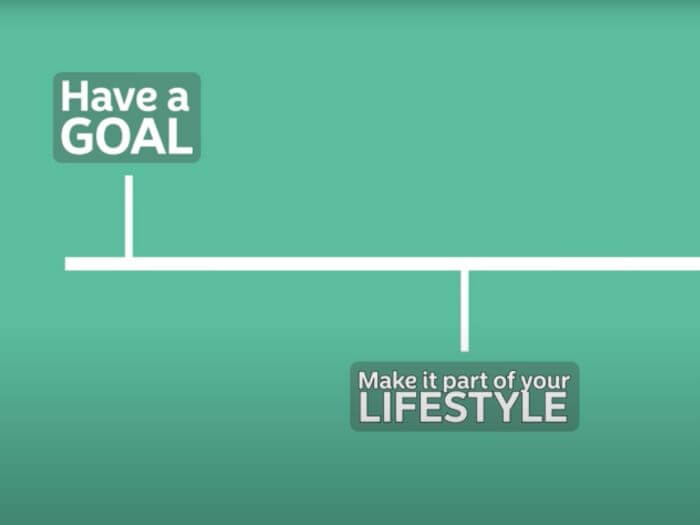
How To Maintain Momentum After Learning A Language In Two Weeks
Have A Clear Goal
You need to know why you're learning—whether it's a trip, an exam, or another specific objective. Having a goal moves your language project from routine daily study towards something you're actively working towards.
Make It Part Of Your Lifestyle
Whenever you have a free minute—whether watching videos or reading—your new language needs to be your default choice. Having a “no English rule” outside of work can be very helpful.
Focus On One Language At A Time
For aspiring polyglots, focusing on one language at a time is crucial. Don't split your attention between multiple languages until you've reached at least a strong intermediate level, or you'll dilute your focus.
Utilise Micro-Moments
It's the little micro-moments throughout your day that can make the difference between becoming fluent and letting the language slip away.
Can I Learn A New Language In 2 Weeks?
Whilst you can't achieve fluency in two weeks, you can absolutely achieve functional communication skills with the right approach:
What's Possible:
- Basic conversational ability
- Essential vocabulary for daily situations
- Confidence to interact with native speakers
- A solid foundation for continued learning
What's Required:
- Intensive daily instruction (2+ hours)
- Systematic organisation and review
- Speaking practice from day one
- Expert feedback and correction
- Complete immersion when possible
- Consistent evening revision
- Strategic use of flashcards and spaced repetition
What's Not Realistic:
- True fluency or advanced conversation
- Reading and writing proficiency
- Complex grammatical understanding
- Long-term retention without continued practice
Final Thoughts On Learning A Language In Two Weeks
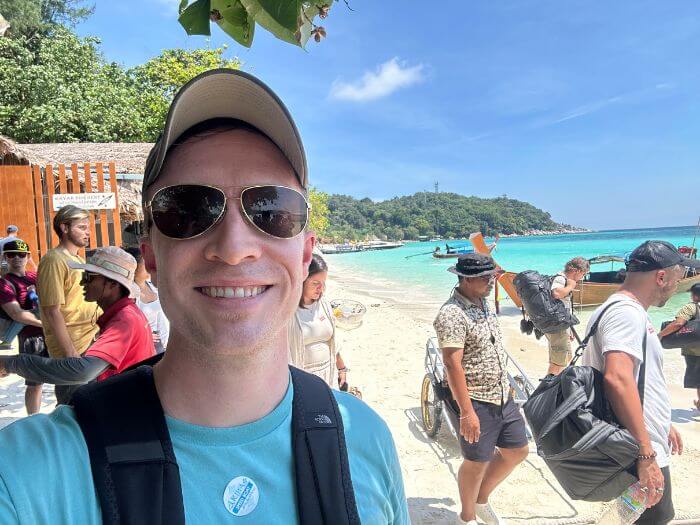
The real value of learning how to learn a language in two weeks isn't achieving mastery—it's proving to yourself what's possible with focused effort and creating momentum for long-term language acquisition.
If you can dedicate this level of intensity and focus to language learning, even for short periods, you'll make more progress than months of casual, unfocused study.
The key is understanding that these intensive bursts must be followed by consistent, lifestyle-integrated practice to maintain and build on your achievements.
The goal isn't to become fluent in two weeks—it's to demonstrate that focused, intensive learning can create remarkable progress and establish a foundation for genuine, long-term language mastery.

Olly Richards
Creator of the StoryLearning® Method


Olly Richards is a renowned polyglot and language learning expert with over 15 years of experience teaching millions through his innovative StoryLearning® method. He is the creator of StoryLearning, one of the world's largest language learning blogs with 500,000+ monthly readers.
Olly has authored 30+ language learning books and courses, including the bestselling "Short Stories" series published by Teach Yourself.
When not developing new teaching methods, Richards practices what he preaches—he speaks 8 languages fluently and continues learning new ones through his own methodology.