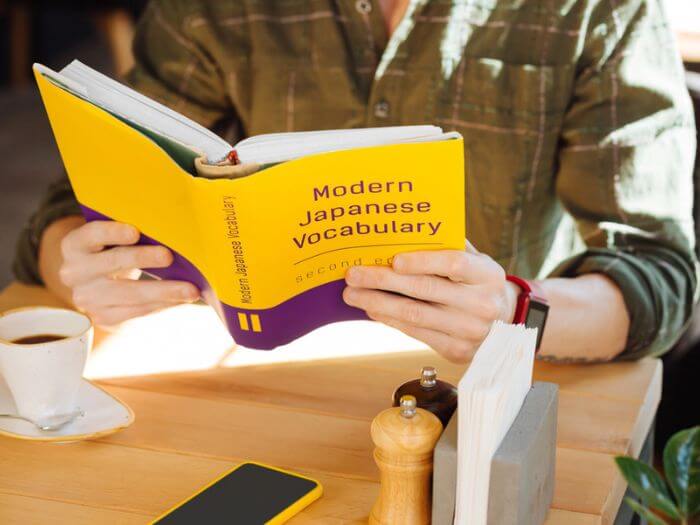
Have you ever had the experience of learning a new word, completing some exercises in a textbook, feeling like you know it, and then forgetting it again straight away afterwards?
If so, you're not alone. In this post, I want to share some thoughts on using language textbooks the right way – insights that came from a rather unexpected source: a trip back to Japan.
Pro Tip
By the way, if you’re serious about improving your language skills, online language courses for fluency can make a huge difference.
I'm offering top-rated online language courses for beginners to advanced learners, covering Mandarin, Spanish, French, Italian, German, Japanese and more.
I'd just returned from a couple of weeks in Japan – my first proper holiday there in five or six years. It was an emotional roller coaster.
When I left Japan back in 2012, it felt like someone had torn away a huge part of my life. I'd tried so hard with the language, made so much progress despite finding it difficult, and coming out the other side able to speak well meant everything to me.
Over time, of course, life moved on. I went to Qatar, then Egypt, then back to London. But being back in Japan reconnected me suddenly with this thing I'd loved so deeply.
It made me realise how much I still love the country and the language. And it's kind of made me reconsider a lot of the language projects I've been dabbling with over the last few years.
The Cantonese I've been struggling along with, my brief exploits into Thai and German that didn't last very long… this trip reminded me what it feels like to be head over heels in love with a language.
What Feedback Revealed About My Japanese
While in Hiroshima, I met up with Andrew, a longtime reader of my blog who's been living in Japan for about nine years.
He's married to a local woman and speaks fantastic Japanese. We sat and had coffee, practising our various languages – English, Japanese and Spanish.
As we were saying goodbye, I asked him for feedback on my Japanese. After all, he must remember what it was like to be at my level.
His response was interesting: “Your case is a bit funny, Olly, because you speak pretty fluently and can express yourself – you can say anything you want to say. But you lack a bit of detail in your grammar and vocab.”
This made perfect sense. When you're at this intermediate plateau – or in my case, perhaps slightly higher at B2 – the things you need to move towards greater fluency are more precise vocabulary to express yourself in different situations and more accurate grammar to speak in a more nuanced way.
The Language Textbooks Andrew Recommended
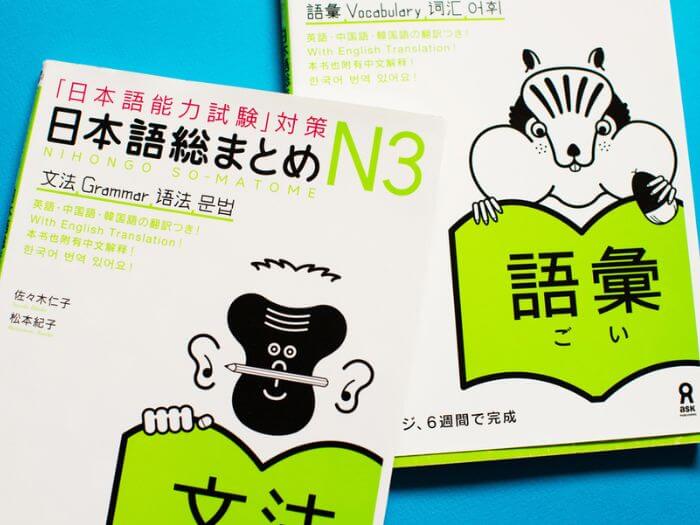
We went downstairs to a bookshop where Andrew recommended a couple of books he'd been using.
They were essentially exercise books – the kind that present you with a new word or grammar pattern in a sentence with a gap fill.
You complete the exercises, check your answers, look up the meanings you got wrong and return to it the next day.
I started working through these language textbooks and quite enjoyed it. But almost immediately, I had this huge “aha” moment.
Why Did I Forget Everything So Quickly?
I realised I hadn't studied this way – using exercises and this very detailed, methodical approach – for many years. I'd stopped doing it.
And as I completed one of these exercises, choosing the correct word from a multiple choice selection, something became crystal clear.
I got most of them wrong, actually. I looked up the definitions, understood why the words were there, why they made sense. Great. But as soon as I closed the book, I knew there was no way I'd remember any of it.
These were new words for me. There was no reason they'd stick in my brain. I had no context other than the sentence itself. It wasn't meaningful for me in any way.
The same thing happened with the grammar exercises. You'd have a sentence with a gap fill and choose the correct form of the verb or grammar pattern. It's an interesting exercise while you're doing it. But the moment I closed the book, I'd forget it all.
The Problem With Discrete Exercise Learning
This struck me as an extremely inefficient way of learning compared to the more holistic approach I've adopted over the last few years – one I now advocate and teach in my courses.
The approach I believe in is essentially to learn from a lot of input: reading and listening. In my case, I like to do it with stories.
What you do is spend your time reading stories, and with a bit of help from some tuition and explanations, you learn from the context.
When you learn a word in the context of a story, it's a million times more meaningful. You can relate that word not just to the sentence it appears in, but to the context of the story:
what the character might say
your understanding of that character
everything that's happening around that moment.
Likewise with grammar. It doesn't just make sense within the sentence. You relate that particular grammar point to everything going on:
Is it past tense?
Future tense?
Is it giving a command?
Expressing a possibility?
All the different nuances make sense within the broader context.
Is This Why Most People Struggle?
When I started thinking about this, I realised that probably 99% of the way the world learns languages uses this discrete exercise approach.
It's traditional teaching where the teacher or textbook selects a particular set of words or grammar for students to learn that day, and you go through it in this very methodical, exercise-type fashion.
It's not much of a surprise that people struggle so much to learn languages. If I was learning through this approach of just having isolated sentences in language textbooks, I'd never get anywhere. I'd forget everything. I'd have no idea how to use it in a meaningful way.
What Andrew Did To Make Language Textbooks Work
When I chatted with Andrew about this, what he told me was very insightful.
He said that whenever he would study one of these new words or grammar points from his textbooks, he'd make sure he then went off and intentionally used that word or grammar point as much as possible with people in speaking during his daily life.
“Because if I didn't do that,” he said, “I would just forget it.”
Of course, that's exactly the point. It's exactly my experience too.
But here's the thing: this approach of having to use new vocabulary in speaking – yeah, it's great. But really, you're just making up for a lack of context in the first place.
If I learn a new word or grammar point and then go use it in speaking, it's good in the sense that it helps me try to use it. I may get the usage wrong – I may not get it exactly right.
But what happens when you use a word or phrase in speaking is that the other person engages with it. They either repeat what you say or react to it in some way.
It's from the context you create in your speaking that the word or phrase has a chance of becoming memorable.
Start With Context, Not With Language Textbooks
The problem is that you're putting the cart before the horse. You're picking stuff you want to learn and then saying, “Right, how can I create a context to remember this?”
My conviction, more and more, is that you have to start with the context. You start with the input – whatever it is. The conversation, the book, the podcast.
You listen to material that's interesting for you, using things like short story books, podcasts, whatever is possible and meaningful and comprehensible for you at your stage.
From the stuff you're listening to and reading, you then identify what you want to learn. You take the vocabulary and grammar that's meaningful to you.
And if you do it that way, you don't need these exercises and gap fills. It's all there, meaningful and ready for you to take and use as you wish.
Making Language Textbooks Work For You
So where does this leave language textbooks? They're not useless – but they work best as a supplement, not a foundation.
Use them to identify gaps in your knowledge or to systematically review grammar patterns. But don't expect the exercises themselves to make things stick.
The real learning happens when you encounter language in context: in stories, conversations, podcasts and books. That's where words and grammar become meaningful. That's where they become memorable. And that's where real fluency is built.
If you've been grinding through language textbooks and wondering why nothing seems to stick, perhaps it's time to flip the approach. Start with input. Start with stories. Let the context do the heavy lifting – and watch how much easier it becomes to remember what you learn.
Olly Richards
Creator of the StoryLearning® Method
Olly Richards is a renowned polyglot and language learning expert with over 15 years of experience teaching millions through his innovative StoryLearning® method. He is the creator of StoryLearning, one of the world's largest language learning blogs with 500,000+ monthly readers.
Olly has authored 30+ language learning books and courses, including the bestselling "Short Stories" series published by Teach Yourself.
When not developing new teaching methods, Richards practices what he preaches—he speaks 8 languages fluently and continues learning new ones through his own methodology.
FREE
Get Your Free Guide:Best Binge-Worthy Resources for Fluency
All the best movies, TV shows, and podcasts hand-picked so you can learn your language just by watching what you already love.
Which language are you learning?
What is your current level in [language]?
Which language are you learning?
What is your current level in [language]?
Which language are you learning?
What is your current level in [language]?
Which language are you learning?
What is your current level in [language]?
Which language are you learning?
What is your current level in [language]?
Which language are you learning?
What is your current level in [language]?
Which language are you learning?
What is your current level in [language]?
Which language are you learning?
What is your current level in [language]?
Which language are you learning?
What is your current level in [language]?
Which language are you learning?
What is your current level in [language]?
Which language are you learning?
What is your current level in [language]?
Download this article as a FREE PDF?
What is your current level in Latin?
Download this article as a FREE PDF?
What is your current level in Norwegian?
Download this article as a FREE PDF?
What is your current level in Swedish?
Download this article as a FREE PDF?
What is your current level in Danish?
Which language are you learning?
What is your current level in [language]?
Download this article as a FREE PDF?
Download this article as a FREE PDF?
What is your current level in Arabic?
Download a FREE Story in Japanese!
Enter your email address below to get a FREE short story in Japanese and start learning Japanese quickly and naturally with my StoryLearning® method!
What is your current level in Japanese?
Download Your FREENatural Japanese Grammar Pack
Enter your email address below to get free access to my Natural Japanese Grammar Pack and learn to internalise Japanese grammar quickly and naturally through stories.
What is your current level in Japanese?
What is your current level in Portuguese?
What is your current level in German?
Train as an Online Language Teacher and Earn from Home
The next cohort of my Certificate of Online Language Teaching will open soon. Join the waiting list, and we’ll notify you as soon as enrolment is open!
Train as an Online Language Teacher and Earn from Home
The next cohort of my Certificate of Online Language Teaching will open soon. Join the waiting list, and we’ll notify you as soon as enrolment is open!
Download this article as a FREE PDF?
What is your current level in Portuguese?
Download this article as a FREE PDF?
What is your current level in Portuguese?
Download this article as a FREE PDF?
What is your current level in Turkish?
What is your current level in French?
What is your current level in Italian?
What is your current level in German?
What is your current level in Japanese?
Download Your FREEJapanese Vocab Power Pack
Enter your email address below to get free access to my Japanese Vocab Power Pack and learn essential Japanese words and phrases quickly and naturally. (ALL levels!)
What is your current level in Japanese?
Download Your FREE German Vocab Power Pack
Enter your email address below to get free access to my German Vocab Power Pack and learn essential German words and phrases quickly and naturally. (ALL levels!)
What is your current level in German?
Download Your FREE Italian Vocab Power Pack
Enter your email address below to get free access to my Italian Vocab Power Pack and learn essential Italian words and phrases quickly and naturally. (ALL levels!)
What is your current level in Italian?
Download Your FREEFrench Vocab Power Pack
Enter your email address below to get free access to my French Vocab Power Pack and learn essential French words and phrases quickly and naturally. (ALL levels!)
What is your current level in French?
What is your current level in Portuguese?
What is your current level in Russian?
What is your current level in Russian?
What is your current level in Italian?
What is your current level in Italian?
What is your current level in French?
What is your current level in French?
What is your current level in Spanish?
What is your current level in Spanish?
What is your current level in Spanish?
What is your current level in Arabic?
What is your current level in Portuguese?
What is your current level in Turkish?
What is your current level in Korean?
What is your current level in Russian?
What is your current level in Japanese?
What is your current level in Chinese?
What is your current level in Spanish?
What is your current level in Italian?
What is your current level in French?
What is your current level in German?
Download Your FREENatural Portuguese Grammar Pack
Enter your email address below to get free access to my Natural Portuguese Grammar Pack and learn to internalise Portuguese grammar quickly and naturally through stories.
What is your current level in Portuguese?
Download Your FREENatural Russian Grammar Pack
Enter your email address below to get free access to my Natural Russian Grammar Pack and learn to internalise Russian grammar quickly and naturally through stories.
What is your current level in Russian?
Download Your FREENatural German Grammar Pack
Enter your email address below to get free access to my Natural German Grammar Pack and learn to internalise German grammar quickly and naturally through stories.
What is your current level in German?
Download Your FREENatural French Grammar Pack
Enter your email address below to get free access to my Natural French Grammar Pack and learn to internalise French grammar quickly and naturally through stories.
What is your current level in French?
Download Your FREENatural Italian Grammar Pack
Enter your email address below to get free access to my Natural Italian Grammar Pack and learn to internalise Italian grammar quickly and naturally through stories.
What is your current level in Italian?
Download a FREE Story in Portuguese!
Enter your email address below to get a FREE short story in Brazilian Portuguese and start learning Portuguese quickly and naturally with my StoryLearning® method!
What is your current level in Portuguese?
Download a FREE Story in Russian!
Enter your email address below to get a FREE short story in Russian and start learning Russian quickly and naturally with my StoryLearning® method!
What is your current level in Russian?
Download a FREE Story in German!
Enter your email address below to get a FREE short story in German and start learning German quickly and naturally with my StoryLearning® method!
What is your current level in German?
Download a FREE Story in Italian!
Enter your email address below to get a FREE short story in Italian and start learning Italian quickly and naturally with my StoryLearning® method!
What is your current level in Italian?
Download a FREE Story in French!
Enter your email address below to get a FREE short story in French and start learning French quickly and naturally with my StoryLearning® method!
What is your current level in French?
Download a FREE Story in Spanish!
Enter your email address below to get a FREE short story in Spanish and start learning Spanish quickly and naturally with my StoryLearning® method!
What is your current level in Spanish?
FREE Download:
The Rules of Language Learning
Enter your email address below to get free access to my Rules of Language Learning and discover 25 “rules” to learn a new language quickly and naturally through stories.
Which language are you learning?
What is your current level in [language]?
Download Your FREESpanish Vocab Power Pack
Enter your email address below to get free access to my Spanish Vocab Power Pack and learn essential Spanish words and phrases quickly and naturally. (ALL levels!)
What is your current level in Spanish?
Download Your FREENatural Spanish Grammar Pack
Enter your email address below to get free access to my Natural Spanish Grammar Pack and learn to internalise Spanish grammar quickly and naturally through stories.
What is your current level in Spanish?
Free Step-By-Step Guide:
How to generate a full-time income from home with your English… even with ZERO previous teaching experience.
Download this article as a FREE PDF?
What is your current level in Thai?
Download this article as a FREE PDF?
What is your current level in Spanish?
Download this article as a FREE PDF?
What is your current level in Cantonese?
Download this article as a FREE PDF?
What is your current level in Russian?
Download this article as a FREE PDF?
What is your current level in Korean?
Download this article as a FREE PDF?
What is your current level in Japanese?
Download this article as a FREE PDF?
What is your current level in Italian?
Download this article as a FREE PDF?
What is your current level in German?
Download this article as a FREE PDF?
What is your current level in French?
Steal My Method?
I’ve written some simple emails explaining the techniques I’ve used to learn 8 languages…
Which language are you learning?
What is your current level in [language]?
Which language are you learning?
What is your current level in [language]?
I want to be skipped!
Join 84,574 other language learners getting StoryLearning tips by email…
“After I started to use your ideas, I learn better, for longer, with more passion. Thanks for the life-change!” – Dallas Nesbit
Which language are you learning?
What is your current level in [language]?
Download this article as a FREE PDF?
What is your current level in Chinese?
Which language are you learning?
What is your current level in [language]?
Find The Perfect Language Course For You!
Looking for a breakthrough in your language learning?
Complete this short survey to find the perfect course for you!