Lisa from Blackpink is one of the most famous performers on the planet — but the story of how she got there is, to my mind, also one of the most extraordinary language-learning stories you'll ever come across.
A shy kid from Thailand who didn't speak a word of Korean, moved to Seoul aged 13, learnt Korean in two years on pain of being sent home, and then added Japanese and Chinese on top.
By 19, she was fluent in four languages and standing on stage in front of tens of thousands of fans.
It's a remarkable story in its own right, but I also think it's a story that has a lot to teach the rest of us about how languages are actually learnt. So in this post, I want to walk through Lisa's journey and pick out the lessons that I think any language learner can take from it.
Pro Tip
By the way, if you’re serious about improving your language skills, online language courses for fluency can make a huge difference.
I'm offering top-rated online language courses for beginners to advanced learners, covering Mandarin, Spanish, French, Italian, German, Japanese and more.
If you prefer watching videos to reading, hit play on the YouTube version of this post at the top of the page. Otherwise, here's what you'll discover in this post about social media and language learning:
Table of Contents
Who Is Lisa From Blackpink?
If you haven't come across her, Lisa is the main dancer and rapper in Blackpink, the biggest girl group in the world.
She holds nine Guinness World Records, she's recorded with Lady Gaga, Bruno Mars and Selena Gomez, and she was among the superstars who inspired the characters in the Netflix hit K-Pop Demon Hunters.
She's also recently turned her hand to acting — if you watched the most recent series of The White Lotus, set in Thailand, she was in it.
But she didn't grow up as Lisa, and she certainly didn't grow up speaking Korean. Her real name is Pranpriya, and she was born in Buriram province, Thailand.
As a child, she was sweet and shy, but the moment she stepped on stage at a school dance show, something switched on. She entered every local dance competition she could find and the trophies started stacking up at home.
How Did She Start Out With Languages?
Lisa's first language was Thai, and she picked up English the way most Thai kids do — through a foreign teacher in middle school.
So we're not talking about anything special here; just basic classroom English starting reasonably late.
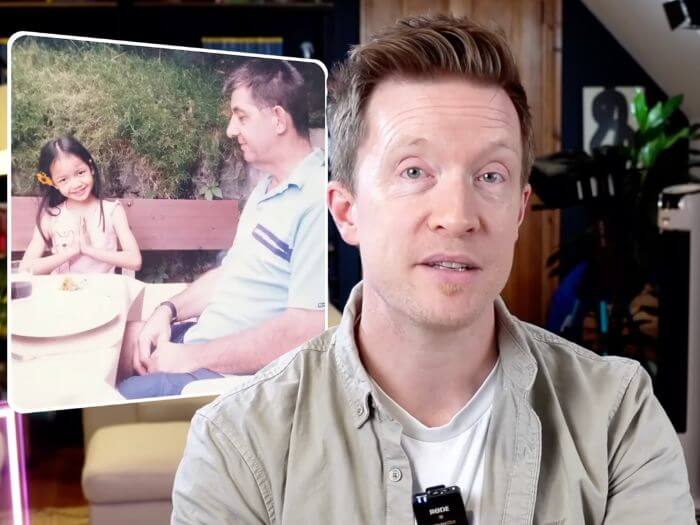
Her stepfather, who is Swiss, also spoke English with her at home, which gave her a bit more daily exposure than the average Thai kid would get.
That's the whole foundation. Thai at home, scraps of English at school and with her stepdad, and a passion for dance. Nothing about it screams future polyglot. And yet.
The Audition That Changed Everything
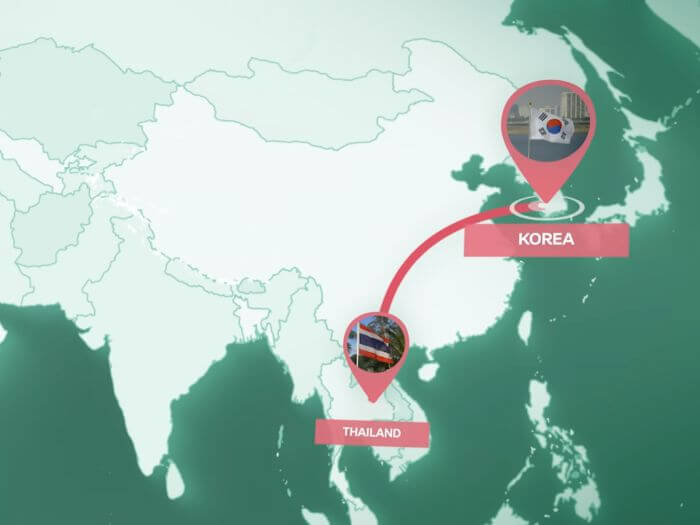
When Lisa was 13, YG Entertainment — one of the biggest music companies in Korea — held auditions in Thailand. Over 4,000 girls turned up. Lisa was one of them.
She auditioned. And then — silence. No calls. Days became weeks, weeks became months.
Her mother, apparently in a state of mild despair, took her to a fortune teller, who told her she'd only become a star if she changed her name to Lalisa. A week after the name change, the call came.
Out of 4,000 girls, Lisa was the only one chosen. One in 4,000. But there was a catch: the opportunity was K-pop, and Lisa didn't speak a single word of Korean.
She packed her suitcase, said goodbye to her family, and got on a plane to Seoul with no idea what was waiting for her on the other side.
Learn Korean In Two Years — Or Go Home
When she landed in Seoul, Lisa couldn't read the airport signs, let alone hold a conversation.
She moved into YG's trainee dorm and was given a brutal piece of news: she had two years to learn Korean, or she'd be sent home.
Now, I think this is where the story gets really interesting for language learners, because the conditions she was put under are essentially the most extreme version of immersion you can imagine.
Training was seven days a week, twelve hours a day. Every month, there was a test. Mess up once and you were out. Trainees were dropping out left, right and centre.
Her teachers banned English in the classroom. She had to speak only Korean, even when she didn't know the words. Her managers were instructed to speak to her only in Korean.
She and the other trainees were even sent out at weekends to hang around in cafes and zoos, picking up the language by listening to people in the wild. There was no soft landing. It was, as Lisa herself has described it, sink or swim.
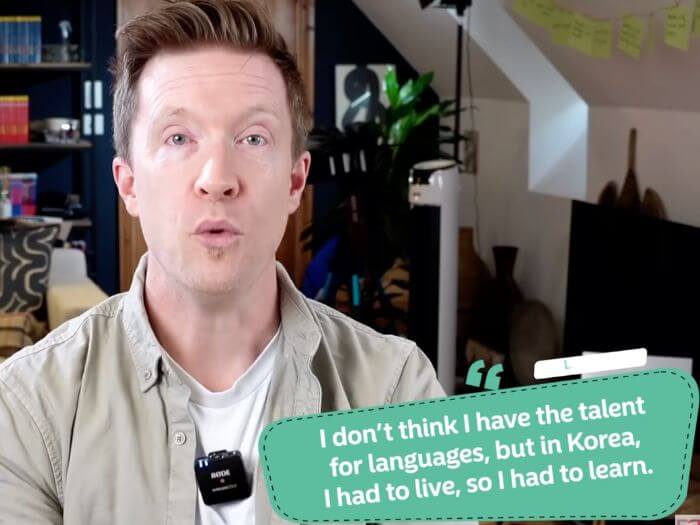
Here's the thing, though: Lisa never thought she was particularly good at languages. She wasn't a self-styled language nerd. She just had no choice. And that, I think, is one of the most important lessons in this whole story — when the alternative is failure, you find a way.
How Did Lisa Actually Learn Korean?
Once she'd accepted she had to do it, Lisa fought back the only way she knew how. Every day after training, she binged Korean dramas. She'd pause, rewind, copy the lines and say them out loud, over and over again.
Her favourite was Goblin, which she watched all the way through twice — partly because she fancied the lead actor, Gong Yoo. Crushes, as it turns out, can be remarkably educational.
She also read a lot of books to try to imprint Korean on her brain, and she got a huge amount of help from her fellow trainees, particularly Jennie, who spoke fluent English and could bridge the gap when Lisa got stuck.
Within six months, Lisa had her breakthrough moment — she started cracking jokes in Korean. That's the moment most language learners will recognise.
When you can be funny in a language, you've crossed a line. You're not translating any more; you're inhabiting it. The language that had shut her out had become her weapon.
I find this part of her story really telling, because there's nothing magical about her methods:
Watch a lot of content you actually enjoy.
Imitate what you hear.
Use the language with the people around you, even when you feel stupid.
Find a small win that proves to yourself you belong.
That's the recipe.
Why Korean Was Such A Tall Order
It's worth pausing here to recognise just how hard what Lisa did really is.
Thai and Korean are both languages that take English speakers a long time to learn — in fact, in my own language difficulty guide, they both sit right up in tier seven, alongside Chinese, Japanese and Arabic as some of the most demanding languages out there.
And here's the kicker: Thai and Korean don't help each other at all. Different sounds, different grammar, different writing system. Knowing Thai gave Lisa absolutely no shortcut into Korean.
Compare that with, say, a Dutch speaker learning German, where the two languages share so much grammar and vocabulary that one really does pull the other along.
Lisa had no such luck. She started from zero, in a language with virtually nothing in common with her own, while training twelve hours a day. The fact that she came out fluent in two years should reframe what most of us think is possible.
From Korean To Japanese
Five years after stepping off that plane in Seoul, Lisa walked on stage with three other trainees as part of a new band called Blackpink.
She was the main dancer and rapper, and — significantly — she was the very first non-Korean artist ever signed to YG. The group exploded almost immediately. Millions of views, screaming fans across Asia, and then a global breakthrough.
Their next challenge, of course, was Japan. And as Lisa quickly discovered, most Japanese fans were not going to understand her English songs, her Korean songs, or — needless to say — her Thai.
So she had to start all over again. New language, new challenge. The company brought in Japanese tutors and Lisa did what she always does: she treated it like dance practice. Repeat, adjust, repeat again.
By the time Blackpink hit their first Japan arena tour, Lisa was performing in Japanese and chatting to fans between songs. And what's striking when you watch her speak Japanese is how completely her physicality shifts — the voice, the body language, the intonation.
It's not just that the words come out; she becomes a slightly different person in the language. That's something that tends to happen the deeper you go into a language, and it's something I find fascinating every time I see it.
And Then Chinese, Too?
Yes, then Chinese as well. By 19, Lisa had four languages in her pocket — Thai, English, Korean and Japanese — with Chinese close behind, and she could switch between them without missing a beat.
She nails the intonation in all of them, which is itself a striking achievement when you consider that Korean, Japanese, Thai and Chinese all have very different prosodic patterns.
This is where you start to see something that's true of a lot of multilingual people: once you've gone through the painful process of becoming fluent in a second language, the third, fourth and fifth get easier.
Not because you've memorised more grammar, but because you've built up the underlying skill of language learning itself.
You know what works for you.
You know how to handle the discomfort of not understanding.
You know how to bluff your way through a conversation while quietly piecing the patterns together.
The Hardest Part Wasn't The Grammar
One thing I want to draw out from Lisa's story, because I think it's true for most of us, is that the hardest part of learning Korean wasn't the grammar or the writing system.
It was the loneliness. She missed her mum. She felt like an outsider. She cried in the bathroom in those first months — not because she couldn't dance, but because she couldn't follow what people were saying. She couldn't join in the jokes. She couldn't be herself.
That emotional weight is something I don't think we talk about enough in language learning. When you can't express yourself, you feel diminished. You feel less funny, less interesting, less you.
The temptation to retreat into your own language, or to give up altogether, is enormous. The fact that Lisa pushed through that — at thirteen, alone in a foreign country — is just as impressive as the linguistic outcome.
Later in her career, things got even harder. There were people who decided she wasn't “Korean enough” — her face, her accent, her nationality were all picked apart.
In 2020, the abuse escalated into death threats serious enough that the Thai embassy in Seoul had to step in. It would have broken most people. It didn't break her.
What Can The Rest Of Us Learn From Lisa?
Most of us, mercifully, will never have to learn a language in two years with our entire career on the line.
But there are a few things in Lisa's story that I think apply directly to anyone learning a language at home, in their own time, with no record deal hanging over them.
First, you don't have to be a “languages person.” Lisa wasn't. She had no particular talent for languages before Korean was forced on her. She just had a reason that mattered to her more than the discomfort.
Second, immersion works — and it works fastest when you can't fall back on your first language. Lisa's teachers banning English in the classroom is essentially the principle behind every effective immersion programme. The more you have to use the new language, the faster it embeds.
Third, content you actually enjoy is one of the most powerful tools you have. Lisa learnt Korean from dramas she was genuinely hooked on. She wasn't grinding through textbooks. She was watching Goblin twice in a row because she fancied the lead. Find your version of that.
Fourth, you'll feel awful at times. You'll feel slow, stupid and isolated. That's not a sign you're failing; it's a sign you're doing the work. The breakthrough — for Lisa, cracking her first joke in Korean — comes on the other side of that discomfort.
Final Thoughts On Lisa From Blackpink's Language Journey
What I love about Lisa from Blackpink's story is that it strips language learning back to its essentials. There's no secret method, no magic app, no shortcut.
There's a young woman who landed in a country where she couldn't read the signs, was told she had two years to become fluent, and got on with it — using content she loved, the people around her, and a refusal to give up.
By the time she was 19, she had four languages and one of the most extraordinary careers in modern pop music.
It's a useful reminder that the limits we put on what's possible in language learning are mostly self-imposed. Most of us have more time, more resources and far less pressure than Lisa did at 13. We just don't have the same urgency.
The trick, perhaps, is to find a version of that urgency for ourselves — a reason to learn that matters enough that we keep showing up, day after day, even when it's hard. Do that, and you might be surprised at how far you can go.
Olly Richards
Creator of the StoryLearning® Method
Olly Richards is a renowned polyglot and language learning expert with over 15 years of experience teaching millions through his innovative StoryLearning® method. He is the creator of StoryLearning, one of the world's largest language learning blogs with 500,000+ monthly readers.
Olly has authored 30+ language learning books and courses, including the bestselling "Short Stories" series published by Teach Yourself.
When not developing new teaching methods, Richards practices what he preaches—he speaks 8 languages fluently and continues learning new ones through his own methodology.
FREE
Get Your Free Guide:Best Binge-Worthy Resources for Fluency
All the best movies, TV shows, and podcasts hand-picked so you can learn your language just by watching what you already love.
Which language are you learning?
What is your current level in [language]?
Which language are you learning?
What is your current level in [language]?
Which language are you learning?
What is your current level in [language]?
Which language are you learning?
What is your current level in [language]?
Which language are you learning?
What is your current level in [language]?
Which language are you learning?
What is your current level in [language]?
Which language are you learning?
What is your current level in [language]?
Which language are you learning?
What is your current level in [language]?
Which language are you learning?
What is your current level in [language]?
Which language are you learning?
What is your current level in [language]?
Which language are you learning?
What is your current level in [language]?
Download this article as a FREE PDF?
What is your current level in Latin?
Download this article as a FREE PDF?
What is your current level in Norwegian?
Download this article as a FREE PDF?
What is your current level in Swedish?
Download this article as a FREE PDF?
What is your current level in Danish?
Which language are you learning?
What is your current level in [language]?
Download this article as a FREE PDF?
Download this article as a FREE PDF?
What is your current level in Arabic?
Download a FREE Story in Japanese!
Enter your email address below to get a FREE short story in Japanese and start learning Japanese quickly and naturally with my StoryLearning® method!
What is your current level in Japanese?
Download Your FREENatural Japanese Grammar Pack
Enter your email address below to get free access to my Natural Japanese Grammar Pack and learn to internalise Japanese grammar quickly and naturally through stories.
What is your current level in Japanese?
What is your current level in Portuguese?
What is your current level in German?
Train as an Online Language Teacher and Earn from Home
The next cohort of my Certificate of Online Language Teaching will open soon. Join the waiting list, and we’ll notify you as soon as enrolment is open!
Train as an Online Language Teacher and Earn from Home
The next cohort of my Certificate of Online Language Teaching will open soon. Join the waiting list, and we’ll notify you as soon as enrolment is open!
Download this article as a FREE PDF?
What is your current level in Portuguese?
Download this article as a FREE PDF?
What is your current level in Portuguese?
Download this article as a FREE PDF?
What is your current level in Turkish?
What is your current level in French?
What is your current level in Italian?
What is your current level in German?
What is your current level in Japanese?
Download Your FREEJapanese Vocab Power Pack
Enter your email address below to get free access to my Japanese Vocab Power Pack and learn essential Japanese words and phrases quickly and naturally. (ALL levels!)
What is your current level in Japanese?
Download Your FREE German Vocab Power Pack
Enter your email address below to get free access to my German Vocab Power Pack and learn essential German words and phrases quickly and naturally. (ALL levels!)
What is your current level in German?
Download Your FREE Italian Vocab Power Pack
Enter your email address below to get free access to my Italian Vocab Power Pack and learn essential Italian words and phrases quickly and naturally. (ALL levels!)
What is your current level in Italian?
Download Your FREEFrench Vocab Power Pack
Enter your email address below to get free access to my French Vocab Power Pack and learn essential French words and phrases quickly and naturally. (ALL levels!)
What is your current level in French?
What is your current level in Portuguese?
What is your current level in Russian?
What is your current level in Russian?
What is your current level in Italian?
What is your current level in Italian?
What is your current level in French?
What is your current level in French?
What is your current level in Spanish?
What is your current level in Spanish?
What is your current level in Spanish?
What is your current level in Arabic?
What is your current level in Portuguese?
What is your current level in Turkish?
What is your current level in Korean?
What is your current level in Russian?
What is your current level in Japanese?
What is your current level in Chinese?
What is your current level in Spanish?
What is your current level in Italian?
What is your current level in French?
What is your current level in German?
Download Your FREENatural Portuguese Grammar Pack
Enter your email address below to get free access to my Natural Portuguese Grammar Pack and learn to internalise Portuguese grammar quickly and naturally through stories.
What is your current level in Portuguese?
Download Your FREENatural Russian Grammar Pack
Enter your email address below to get free access to my Natural Russian Grammar Pack and learn to internalise Russian grammar quickly and naturally through stories.
What is your current level in Russian?
Download Your FREENatural German Grammar Pack
Enter your email address below to get free access to my Natural German Grammar Pack and learn to internalise German grammar quickly and naturally through stories.
What is your current level in German?
Download Your FREENatural French Grammar Pack
Enter your email address below to get free access to my Natural French Grammar Pack and learn to internalise French grammar quickly and naturally through stories.
What is your current level in French?
Download Your FREENatural Italian Grammar Pack
Enter your email address below to get free access to my Natural Italian Grammar Pack and learn to internalise Italian grammar quickly and naturally through stories.
What is your current level in Italian?
Download a FREE Story in Portuguese!
Enter your email address below to get a FREE short story in Brazilian Portuguese and start learning Portuguese quickly and naturally with my StoryLearning® method!
What is your current level in Portuguese?
Download a FREE Story in Russian!
Enter your email address below to get a FREE short story in Russian and start learning Russian quickly and naturally with my StoryLearning® method!
What is your current level in Russian?
Download a FREE Story in German!
Enter your email address below to get a FREE short story in German and start learning German quickly and naturally with my StoryLearning® method!
What is your current level in German?
Download a FREE Story in Italian!
Enter your email address below to get a FREE short story in Italian and start learning Italian quickly and naturally with my StoryLearning® method!
What is your current level in Italian?
Download a FREE Story in French!
Enter your email address below to get a FREE short story in French and start learning French quickly and naturally with my StoryLearning® method!
What is your current level in French?
Download a FREE Story in Spanish!
Enter your email address below to get a FREE short story in Spanish and start learning Spanish quickly and naturally with my StoryLearning® method!
What is your current level in Spanish?
FREE Download:
The Rules of Language Learning
Enter your email address below to get free access to my Rules of Language Learning and discover 25 “rules” to learn a new language quickly and naturally through stories.
Which language are you learning?
What is your current level in [language]?
Download Your FREESpanish Vocab Power Pack
Enter your email address below to get free access to my Spanish Vocab Power Pack and learn essential Spanish words and phrases quickly and naturally. (ALL levels!)
What is your current level in Spanish?
Download Your FREENatural Spanish Grammar Pack
Enter your email address below to get free access to my Natural Spanish Grammar Pack and learn to internalise Spanish grammar quickly and naturally through stories.
What is your current level in Spanish?
Free Step-By-Step Guide:
How to generate a full-time income from home with your English… even with ZERO previous teaching experience.
Download this article as a FREE PDF?
What is your current level in Thai?
Download this article as a FREE PDF?
What is your current level in Spanish?
Download this article as a FREE PDF?
What is your current level in Cantonese?
Download this article as a FREE PDF?
What is your current level in Russian?
Download this article as a FREE PDF?
What is your current level in Korean?
Download this article as a FREE PDF?
What is your current level in Japanese?
Download this article as a FREE PDF?
What is your current level in Italian?
Download this article as a FREE PDF?
What is your current level in German?
Download this article as a FREE PDF?
What is your current level in French?
Steal My Method?
I’ve written some simple emails explaining the techniques I’ve used to learn 8 languages…
Which language are you learning?
What is your current level in [language]?
Which language are you learning?
What is your current level in [language]?
I want to be skipped!
Join 84,574 other language learners getting StoryLearning tips by email…
“After I started to use your ideas, I learn better, for longer, with more passion. Thanks for the life-change!” – Dallas Nesbit
Which language are you learning?
What is your current level in [language]?
Download this article as a FREE PDF?
What is your current level in Chinese?
Which language are you learning?
What is your current level in [language]?
Find The Perfect Language Course For You!
Looking for a breakthrough in your language learning?
Complete this short survey to find the perfect course for you!