Is Taking A Break From Language Learning A Good Idea?
by Olly Richards
Is taking a break from language learning a good idea or will it set you back? Perhaps you've got a holiday coming up and you're torn between packing your textbooks and leaving them at home.
Nicholas, who's learning German and Chinese at the same time, wrote in with exactly this question:
“Do you think that when we are on vacation or on holidays—when we go to a place to relax—should we still learn languages? Is it better to stop our routine, or better to try to keep it?“
It's a fantastic question, and here's the thing: taking a break from language learning isn't just acceptable—it might actually be one of the best things you can do for your progress.
Pro Tip
By the way, if you’re serious about improving your language skills, online language courses for fluency can make a huge difference.
I'm offering top-rated online language courses for beginners to advanced learners, covering Mandarin, Spanish, French, Italian, German, Japanese and more.
If you prefer watching videos to reading, hit play on the video version of this post at the top of this page. Otherwise, here's what you'll discover in this article:
Table of Contents
Why Do High Achievers Take So Much Time Off?
This whole question of taking breaks and time off is one of the least well-understood elements of learning in general.
Whenever you look at high achievers—people who are very good at what they do—they all take large amounts of time off because they understand that it's essential in order to be great at what they do.
When I look back over my life, there are all kinds of times when I've been away for a couple of weeks and come back to whatever I was doing, and a couple of things happen.
First, the fact that you've taken a break means you come back much fresher. You appreciate what you're doing so much more. But there's something else too: when you return, you can catch yourself slipping into bad routines and habits much more easily.
How Does A Break Help You Spot Bad Habits?
Think about it like this. If you're someone who's addicted to your smartphone, something interesting happens when you go away. Maybe you go to the beach for the weekend and leave your phone at home. You have an amazing time.
Then you come back home, and your first instinct is to reach for your phone. But you catch yourself and think: “Hang on, I haven't looked at my phone all weekend. Why do I need it now? That's a bad habit.”
The fact that you've been away helps you catch those bad habits, and this applies just as well to language learning. But we can actually go much deeper than this simple behavioural thing.
What Are Focus Mode And Diffuse Mode?
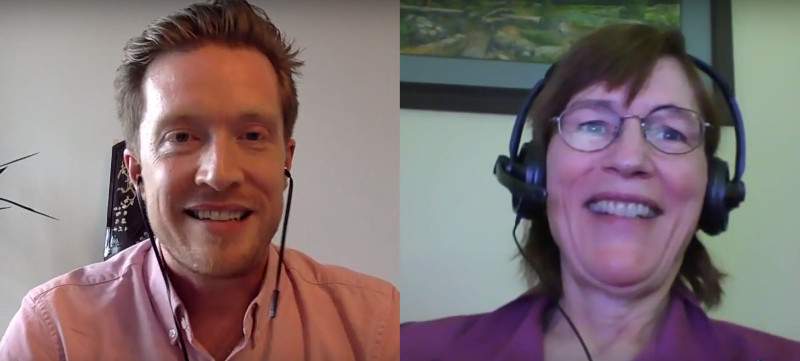
Interviewing Barbara Oakley back in the day
Barbara Oakley, creator of the online course, “Learning How to Learn” (the biggest ever, with over four million students), is well known for talking about the concept of focus mode and diffuse mode. This is something we now understand to be at play when we're learning new things.
Focus mode is when you're looking at something in detail. Diffuse mode is when you're doing the exact opposite.
Let's think of an example. Say you're trying to learn the present perfect in Spanish. In focus mode, you sit down at your desk and think: “Right, I'm going to figure this out. I'm going to learn the rules, do some exercises, focus on this one thing and try to learn it.”
That's focus mode. But there's only so far your brain can get in that mode.
Later on, you might close your books, get up, go for a walk, take a shower, go to the gym or have lunch. During that time, you're in diffuse mode. You're positively not studying the present perfect, but your brain keeps working in the meantime.
When your brain is relaxing and doing other things, it starts to form connections between all the little bits of information you've been learning during your more focused study times.
That's when you get those bigger insights. That's when you appreciate the global picture and understand the concept as a whole.
High achievers know how to optimise and intentionally switch between focus mode and diffuse mode because they understand that taking breaks maximises their learning.
What To Do During Your Break
When you read books on productivity and time management, people talk about this a lot as a really important part of energy management.
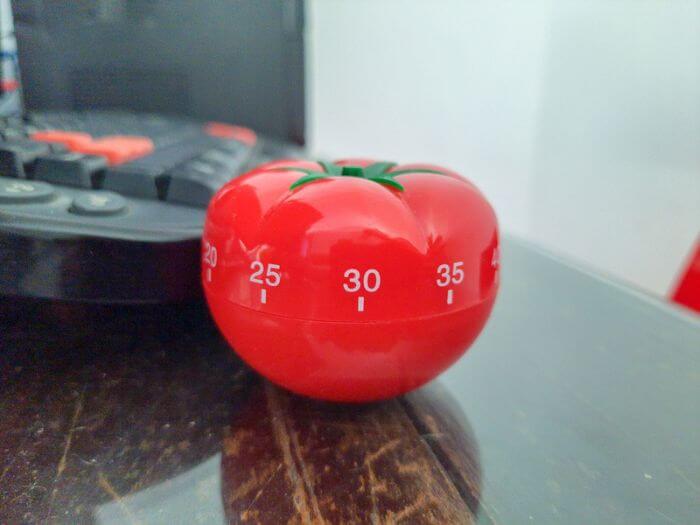
The Pomodoro Technique, for example—where you have 25 minutes of work followed by 5 minutes of break—relies on the same principle. If you want to keep up a sustained period of work or study, you have to have breaks.
But here's the interesting thing: it's not so much the break that helps you, but what you do during that break.
If during your break you just sit and play with your phone, you're probably not going to make much out of it.
But if you lie down for five minutes, meditate for five minutes or go for a brisk walk, that's going to reset your brain and help it enter diffuse mode—where you're more likely to form connections between the subject you're actually studying.
In my case, I do a lot of writing: emails, blog posts, books and so on. My routine at the moment is to sit down in the morning and do 90 minutes of focused work. I find I can concentrate pretty well for 90 minutes.
But then, crucially, I get up and walk for 20 or 30 minutes through the park or down the street. I'll think about stuff or listen to an audiobook. The fact that I'm up and moving totally pulls me out of whatever I was doing before.
That means I can then sit down and do another 90 minutes of work while feeling fresh and focused. I can get three hours of really good work done in the morning by purposefully having that break in the middle.
Me on a walk in the English countryside
Will A Longer Break Actually Improve Your Language Skills?
Now, what does this have to do with holidays and vacations?
If this works on a micro scale – on a daily scale – and you can make the most out of your day by planning in rest time, what do you think the implications are on a grander scale?
If you've been working at a language non-stop for three, four, five, six, nine or twelve months, do you think a one-month break is going to help you?
Yes, it absolutely will.
As soon as you stop actively studying, incredible things go on in the background. I guarantee you'll start to form connections between words you never realised before.
You'll start to make sense of grammar. Things will happen, and you'll come back to the language and realise you've improved during that time.
You can take two or three weeks off and get better – providing that for the previous months you've actually been working hard. If you don't do any work during the year, you're not going to improve by taking a break. You have to have something to take a break from.
So assuming you do work consistently at your languages, a two or three week break is a very desirable thing. Leave your books at home, do something totally different and enjoy every minute.
When you come back, you'll be very fresh and probably in a better place than you were before the holiday.
Can You Take A Break Without Stopping Completely?
You can actually enhance this even further. Let's say you study a lot with books – maybe you read a lot or take classes.
During your holiday, you could keep using the language but just go out and speak. Talk with people, make friends, do activities in the language.
You don't have to take a break from the entire subject. But if you take a break from the things you've been doing and do something completely different within the subject – speaking instead of reading, or reading instead of speaking – that can have the same effect.
If you've been focusing on detailed vocabulary and grammar study, your rest from that could be going to a meetup and making some friends, or watching films every night instead of studying. Do the complete opposite.
Taking A Break From Language Learning FAQ
Is it okay to take a break from learning a language?
Yes, taking a break is perfectly fine and can help prevent burnout. Short pauses allow your brain to consolidate what you’ve learned, and you can return with more focus and motivation. Just try to review occasionally so you don’t forget too much.
The Bottom Line On Taking A Break From Language Learning
Taking a break from language learning is an excellent idea. Breaks are desirable. They're very helpful and an essential part of language learning.
So if you've got a holiday coming up and you're wondering whether to pack your textbooks, here's my advice: leave them at home. Go and enjoy yourself.
Your brain will keep working on everything you've learned, forming connections and consolidating your knowledge while you relax.
When you return, you'll be fresher, more motivated and quite possibly better at your target language than when you left. That's not a reason to feel guilty about taking time off – it's a reason to embrace it.
Olly Richards
Creator of the StoryLearning® Method
Olly Richards is a renowned polyglot and language learning expert with over 15 years of experience teaching millions through his innovative StoryLearning® method. He is the creator of StoryLearning, one of the world's largest language learning blogs with 500,000+ monthly readers.
Olly has authored 30+ language learning books and courses, including the bestselling "Short Stories" series published by Teach Yourself.
When not developing new teaching methods, Richards practices what he preaches—he speaks 8 languages fluently and continues learning new ones through his own methodology.
FREE
Get Your Free Guide:Best Binge-Worthy Resources for Fluency
All the best movies, TV shows, and podcasts hand-picked so you can learn your language just by watching what you already love.
Which language are you learning?
What is your current level in [language]?
Which language are you learning?
What is your current level in [language]?
Which language are you learning?
What is your current level in [language]?
Which language are you learning?
What is your current level in [language]?
Which language are you learning?
What is your current level in [language]?
Which language are you learning?
What is your current level in [language]?
Which language are you learning?
What is your current level in [language]?
Which language are you learning?
What is your current level in [language]?
Which language are you learning?
What is your current level in [language]?
Which language are you learning?
What is your current level in [language]?
Which language are you learning?
What is your current level in [language]?
Download this article as a FREE PDF?
What is your current level in Latin?
Download this article as a FREE PDF?
What is your current level in Norwegian?
Download this article as a FREE PDF?
What is your current level in Swedish?
Download this article as a FREE PDF?
What is your current level in Danish?
Which language are you learning?
What is your current level in [language]?
Download this article as a FREE PDF?
Download this article as a FREE PDF?
What is your current level in Arabic?
Download a FREE Story in Japanese!
Enter your email address below to get a FREE short story in Japanese and start learning Japanese quickly and naturally with my StoryLearning® method!
What is your current level in Japanese?
Download Your FREENatural Japanese Grammar Pack
Enter your email address below to get free access to my Natural Japanese Grammar Pack and learn to internalise Japanese grammar quickly and naturally through stories.
What is your current level in Japanese?
What is your current level in Portuguese?
What is your current level in German?
Train as an Online Language Teacher and Earn from Home
The next cohort of my Certificate of Online Language Teaching will open soon. Join the waiting list, and we’ll notify you as soon as enrolment is open!
Train as an Online Language Teacher and Earn from Home
The next cohort of my Certificate of Online Language Teaching will open soon. Join the waiting list, and we’ll notify you as soon as enrolment is open!
Download this article as a FREE PDF?
What is your current level in Portuguese?
Download this article as a FREE PDF?
What is your current level in Portuguese?
Download this article as a FREE PDF?
What is your current level in Turkish?
What is your current level in French?
What is your current level in Italian?
What is your current level in German?
What is your current level in Japanese?
Download Your FREEJapanese Vocab Power Pack
Enter your email address below to get free access to my Japanese Vocab Power Pack and learn essential Japanese words and phrases quickly and naturally. (ALL levels!)
What is your current level in Japanese?
Download Your FREE German Vocab Power Pack
Enter your email address below to get free access to my German Vocab Power Pack and learn essential German words and phrases quickly and naturally. (ALL levels!)
What is your current level in German?
Download Your FREE Italian Vocab Power Pack
Enter your email address below to get free access to my Italian Vocab Power Pack and learn essential Italian words and phrases quickly and naturally. (ALL levels!)
What is your current level in Italian?
Download Your FREEFrench Vocab Power Pack
Enter your email address below to get free access to my French Vocab Power Pack and learn essential French words and phrases quickly and naturally. (ALL levels!)
What is your current level in French?
What is your current level in Portuguese?
What is your current level in Russian?
What is your current level in Russian?
What is your current level in Italian?
What is your current level in Italian?
What is your current level in French?
What is your current level in French?
What is your current level in Spanish?
What is your current level in Spanish?
What is your current level in Spanish?
What is your current level in Arabic?
What is your current level in Portuguese?
What is your current level in Turkish?
What is your current level in Korean?
What is your current level in Russian?
What is your current level in Japanese?
What is your current level in Chinese?
What is your current level in Spanish?
What is your current level in Italian?
What is your current level in French?
What is your current level in German?
Download Your FREENatural Portuguese Grammar Pack
Enter your email address below to get free access to my Natural Portuguese Grammar Pack and learn to internalise Portuguese grammar quickly and naturally through stories.
What is your current level in Portuguese?
Download Your FREENatural Russian Grammar Pack
Enter your email address below to get free access to my Natural Russian Grammar Pack and learn to internalise Russian grammar quickly and naturally through stories.
What is your current level in Russian?
Download Your FREENatural German Grammar Pack
Enter your email address below to get free access to my Natural German Grammar Pack and learn to internalise German grammar quickly and naturally through stories.
What is your current level in German?
Download Your FREENatural French Grammar Pack
Enter your email address below to get free access to my Natural French Grammar Pack and learn to internalise French grammar quickly and naturally through stories.
What is your current level in French?
Download Your FREENatural Italian Grammar Pack
Enter your email address below to get free access to my Natural Italian Grammar Pack and learn to internalise Italian grammar quickly and naturally through stories.
What is your current level in Italian?
Download a FREE Story in Portuguese!
Enter your email address below to get a FREE short story in Brazilian Portuguese and start learning Portuguese quickly and naturally with my StoryLearning® method!
What is your current level in Portuguese?
Download a FREE Story in Russian!
Enter your email address below to get a FREE short story in Russian and start learning Russian quickly and naturally with my StoryLearning® method!
What is your current level in Russian?
Download a FREE Story in German!
Enter your email address below to get a FREE short story in German and start learning German quickly and naturally with my StoryLearning® method!
What is your current level in German?
Download a FREE Story in Italian!
Enter your email address below to get a FREE short story in Italian and start learning Italian quickly and naturally with my StoryLearning® method!
What is your current level in Italian?
Download a FREE Story in French!
Enter your email address below to get a FREE short story in French and start learning French quickly and naturally with my StoryLearning® method!
What is your current level in French?
Download a FREE Story in Spanish!
Enter your email address below to get a FREE short story in Spanish and start learning Spanish quickly and naturally with my StoryLearning® method!
What is your current level in Spanish?
FREE Download:
The Rules of Language Learning
Enter your email address below to get free access to my Rules of Language Learning and discover 25 “rules” to learn a new language quickly and naturally through stories.
Which language are you learning?
What is your current level in [language]?
Download Your FREESpanish Vocab Power Pack
Enter your email address below to get free access to my Spanish Vocab Power Pack and learn essential Spanish words and phrases quickly and naturally. (ALL levels!)
What is your current level in Spanish?
Download Your FREENatural Spanish Grammar Pack
Enter your email address below to get free access to my Natural Spanish Grammar Pack and learn to internalise Spanish grammar quickly and naturally through stories.
What is your current level in Spanish?
Free Step-By-Step Guide:
How to generate a full-time income from home with your English… even with ZERO previous teaching experience.
Download this article as a FREE PDF?
What is your current level in Thai?
Download this article as a FREE PDF?
What is your current level in Spanish?
Download this article as a FREE PDF?
What is your current level in Cantonese?
Download this article as a FREE PDF?
What is your current level in Russian?
Download this article as a FREE PDF?
What is your current level in Korean?
Download this article as a FREE PDF?
What is your current level in Japanese?
Download this article as a FREE PDF?
What is your current level in Italian?
Download this article as a FREE PDF?
What is your current level in German?
Download this article as a FREE PDF?
What is your current level in French?
Steal My Method?
I’ve written some simple emails explaining the techniques I’ve used to learn 8 languages…
Which language are you learning?
What is your current level in [language]?
Which language are you learning?
What is your current level in [language]?
I want to be skipped!
Join 84,574 other language learners getting StoryLearning tips by email…
“After I started to use your ideas, I learn better, for longer, with more passion. Thanks for the life-change!” – Dallas Nesbit
Which language are you learning?
What is your current level in [language]?
Download this article as a FREE PDF?
What is your current level in Chinese?
Which language are you learning?
What is your current level in [language]?
Find The Perfect Language Course For You!
Looking for a breakthrough in your language learning?
Complete this short survey to find the perfect course for you!